.png)
The Importance of Speaking Up in Papua New Guinea Society
- tokautblomi
- Apr 6
- 3 min read

Speaking up plays a crucial role in shaping communities and influencing change. In Papua New Guinea (PNG), a country rich in cultural diversity and traditional values, the act of voicing opinions and concerns carries unique significance. Understanding why speaking up matters in PNG society helps reveal how individuals and groups can contribute to social progress, justice, and development.
Speaking Up Builds Stronger Communities
In many parts of PNG, communities rely heavily on collective decision-making and respect for elders. While this system fosters unity, it can sometimes limit open dialogue, especially among younger people or marginalized groups. Speaking up encourages participation from all members, which strengthens community bonds and ensures that different perspectives are heard.
For example, in rural villages, when women speak up about health or education issues, it often leads to better resource allocation and support. Their voices bring attention to needs that might otherwise be overlooked. This inclusion helps communities address problems more effectively and promotes fairness.

Encouraging Accountability and Transparency
Speaking up also plays a vital role in holding leaders and institutions accountable. In PNG, where governance challenges exist at various levels, citizens who express their views can influence transparency and reduce corruption. Public forums, community meetings, and local councils provide platforms for people to raise concerns about services, infrastructure, or policies.
When community members speak out about issues like road maintenance or school funding, authorities are more likely to respond and take action. This process builds trust between citizens and leaders, which is essential for good governance and sustainable development.
Empowering Individuals and Groups
Many Papua New Guineans face barriers to expressing themselves due to cultural norms, fear of conflict, or lack of confidence. Speaking up empowers individuals by giving them a sense of agency and control over their lives. It encourages people to share ideas, challenge harmful practices, and advocate for their rights.
Youth groups and women's organizations in PNG have shown how speaking up can lead to positive change. By organizing discussions and campaigns, they raise awareness about issues such as gender-based violence, education access, and environmental protection. These efforts inspire others to join in and create a ripple effect of empowerment.
Overcoming Social Challenges Through Dialogue
PNG society faces several social challenges, including tribal conflicts, gender inequality, and limited access to education and healthcare. Open communication helps address these problems by fostering understanding and cooperation among different groups.
For instance, peacebuilding initiatives often rely on dialogue where conflicting parties speak openly about their grievances and work toward reconciliation. This approach reduces violence and builds lasting peace. Similarly, conversations about gender roles and equality can challenge stereotypes and promote respect for all members of society.
Practical Ways to Encourage Speaking Up
Encouraging people to speak up in PNG requires creating safe and supportive environments. Here are some practical steps communities and leaders can take:
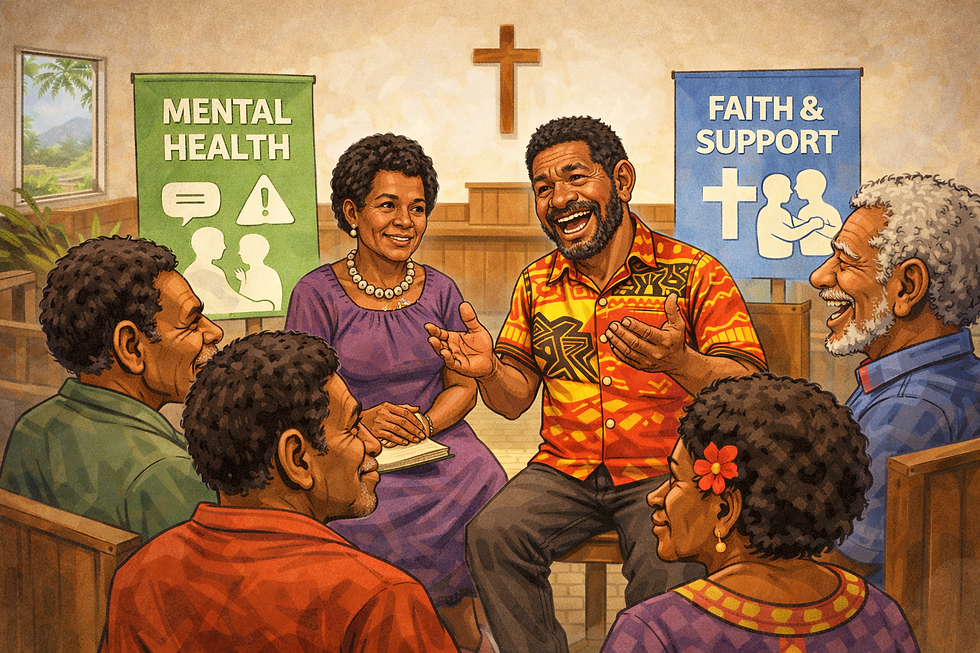
Create inclusive forums: Organize meetings where everyone, including women and youth, feels welcome to share their views.
Promote education: Teach communication skills and the importance of expressing opinions from an early age.
Support role models: Highlight individuals who speak up effectively and inspire others to do the same.
Use local languages: Communicate in languages people understand to ensure everyone can participate.
Address fears: Provide reassurance that speaking up will not lead to punishment or social exclusion.
These actions help break down barriers and encourage more open dialogue across PNG society.
The Role of Media and Technology
Media outlets and technology also contribute to amplifying voices in PNG. Radio programs, community newspapers, and social media platforms offer channels for people to share stories, report issues, and connect with wider audiences.
For example, community radio stations often broadcast discussions on local concerns, allowing listeners to call in and express their opinions. This accessibility helps reach remote areas where other forms of communication may be limited.
Technology, such as mobile phones and internet access, enables young people to engage in conversations beyond their immediate surroundings. These tools expand opportunities for speaking up and participating in national debates.
Challenges to Speaking Up in PNG
Despite its benefits, speaking up in PNG faces challenges. Cultural respect for authority and fear of offending elders can discourage open expression. Some people worry about social backlash or misunderstandings. Additionally, limited education and language barriers may prevent effective communication.
Addressing these challenges requires patience, respect for traditions, and gradual change. Encouraging respectful dialogue that values all voices helps create a balance between cultural norms and the need for open communication.


Comments