.png)
What mental health really means in Papua New Guinea.
- tokautblomi
- Apr 6
- 4 min read

Mental health is often misunderstood or overlooked, especially in places where cultural beliefs and limited resources shape how people view well-being. In Papua New Guinea, mental health carries unique meanings influenced by tradition, community, and the challenges of modern life. Understanding what mental health really means in this context helps reveal the barriers and opportunities for improving care and support for individuals and families.

Defining mental health beyond illness
Mental health is more than the absence of mental illness. It includes emotional, psychological, and social well-being. It affects how people think, feel, and act, and influences how they handle stress, relate to others, and make choices. In Papua New Guinea, mental health is often linked to balance within the individual and harmony with the community and environment.
Many people in Papua New Guinea view mental health through a holistic lens. This means mental well-being is connected to physical health, spiritual beliefs, and social relationships. For example, disruptions in family ties or community conflicts can impact a person’s mental state. Traditional healers and community leaders often play a role in addressing these issues, blending cultural practices with health care.
Cultural beliefs and mental health perceptions
In Papua New Guinea, cultural beliefs shape how mental health is understood and treated. Some communities interpret mental health problems as spiritual or supernatural issues, such as curses or ancestral displeasure. This perspective can lead to stigma, making people reluctant to seek help from formal health services.
At the same time, traditional healing practices remain important. Herbal remedies, rituals, and counseling by elders or spiritual leaders provide comfort and support. These practices emphasize restoring balance and connection rather than focusing solely on symptoms.
Understanding these cultural views is essential for developing mental health programs that respect local traditions while offering effective care. Collaboration between health workers and community leaders can help bridge gaps and reduce stigma.
Challenges in mental health care access
Papua New Guinea faces significant challenges in providing mental health care. The country has limited mental health professionals, with few psychiatrists and psychologists available outside major cities. Many rural areas lack basic health infrastructure, making access difficult.
Other barriers include:
Stigma and discrimination: Fear of being labeled or isolated prevents many from seeking help.
Lack of awareness: Limited knowledge about mental health conditions leads to misunderstanding and neglect.
Economic hardship: Poverty and unemployment increase stress and reduce access to treatment.
Geographical isolation: Remote communities are hard to reach, limiting service delivery.
These challenges mean many people with mental health needs remain untreated or rely solely on traditional methods, which may not always be sufficient.
Efforts to improve mental health in Papua New Guinea
Despite obstacles, there are ongoing efforts to improve mental health awareness and services in Papua New Guinea. The government, NGOs, and international partners work together to build capacity and integrate mental health into primary care.
Key initiatives include:
Training health workers in mental health identification and support.
Community education campaigns to reduce stigma and increase understanding.
Developing culturally appropriate counseling and support services.
Encouraging collaboration between traditional healers and medical professionals.
For example, some programs train village health volunteers to recognize signs of mental distress and provide basic support or referrals. These community-based approaches help reach people in remote areas and respect cultural contexts.

Practical steps for supporting mental health in Papua New Guinea
Improving mental health in Papua New Guinea requires action at multiple levels. Here are some practical steps individuals and communities can take:
Promote open conversations about mental health to reduce stigma.
Support traditional and modern health practices by encouraging cooperation between healers and medical staff.
Increase mental health education in schools and communities.
Advocate for better funding and resources for mental health services.
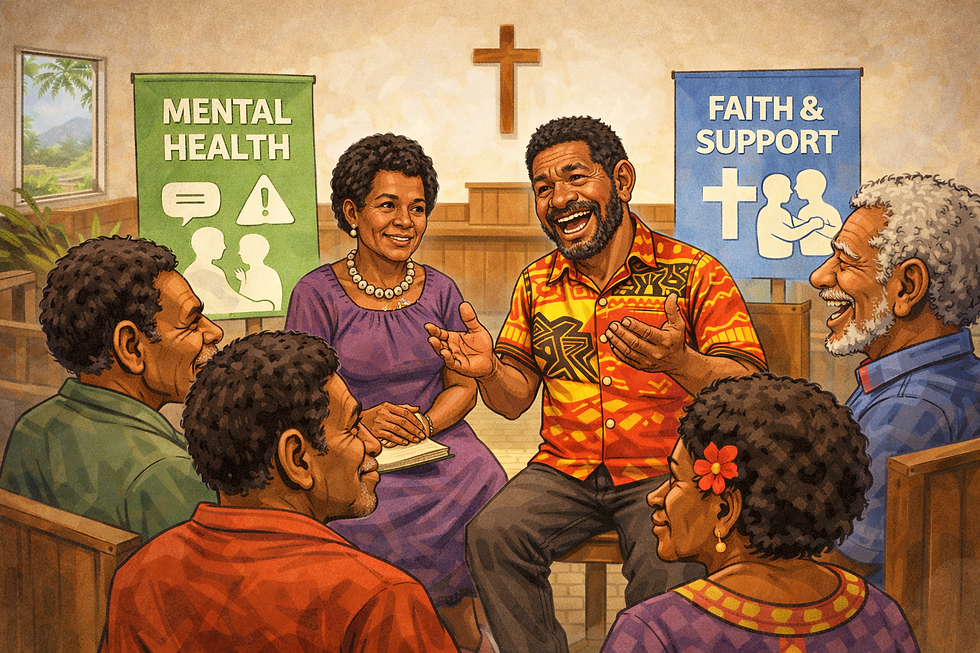
Create safe spaces where people can share their experiences and receive support.
Encourage self-care practices such as healthy eating, exercise, and stress management.
Families and community members play a crucial role in recognizing early signs of distress and providing support. Building strong social networks helps people feel connected and valued.
The future of mental health in Papua New Guinea
Mental health in Papua New Guinea is evolving as awareness grows and services improve. Respecting cultural values while expanding access to care can create a more inclusive and effective system. The goal is to ensure everyone has the opportunity to achieve mental well-being and live fulfilling lives.
By understanding what mental health really means in Papua New Guinea, we can support efforts that honor tradition and meet modern needs. This balance is key to building healthier communities and brighter futures.
Mental health is a shared responsibility. Whether you are a health worker, community leader, or family member, your role matters in creating understanding, reducing stigma, and offering support. Together, Papua New Guinea can move toward a future where mental health is recognized, respected, and cared for.


Comments